The Follies
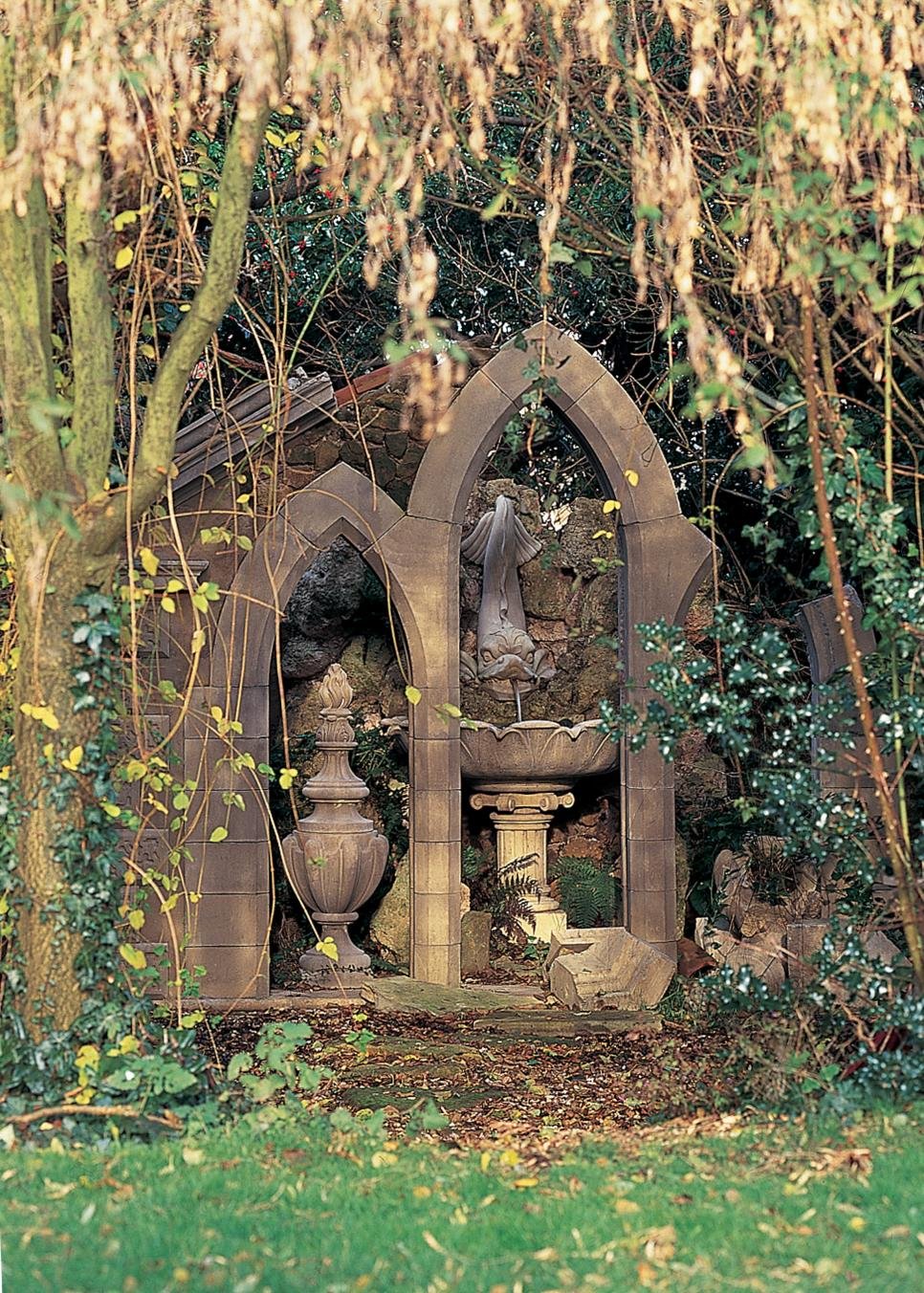
Folly, noun fol·ly ˈfä-lē plural follies
1: lack of good sense or normal prudence and foresight
2 : tragically foolish actions or conduct
3: a foolish act or idea
4: an excessively costly or unprofitable undertaking
5: an often extravagant picturesque building erected to suit a fanciful taste
~ Merriam Webster
Sometimes it occurs to me that the work I am currently most engaged in is hustling up people to attend by donation workshops - on mortality, dreams, and community building – that no one seems to think they want or need.
I almost always, in one way or another, undertake any persistent compelling leading that comes to me – no matter how ridiculous it may seem to others. But that doesn’t mean I live that out with unerring faith. I often feel foolish when I take up another mad project and wonder if it is all just worthless and futile.
I lack good business sense, or perhaps it is more accurate to say I reject it outright. I can be stubborn and hang onto notions I believe in when almost no one else sees the purpose at all.
I tilt at windmills.
I construct follies: costly (in time and effort anyway), ornamental constructions with no obvious practical purpose.
Many imminently practical and sensible people see much of my work as pointless and mystifying.
“Why would anyone want to come to a sixteen-week workshop to talk about death?”
“Dreams? I never even remember mine and when I do, they are just gibberish.”
“Start a group? too many annoying people and I don’t want to do all the work just to start one.”
I lose faith in in myself and in these goose-chases, these rabbit-holes quite regularly. Self-doubt seems to me a mandatory part of the process:
What if the giants turn out to be just old windmills?
What if the work never offers me sufficient security?
What if merely keeps me hustling without a reasonable return for my efforts?
I’m almost sixty. How long can I keep doing this? Isn’t this unbecoming, embarrassing by now? What if there is never any more purchase than I have now, my toes on a narrow ledge, hanging on with tired fingertips? What if it never gets easier?
It is up to brave hearts, sir, to be patient when things are going badly, as well as happy when they are going well. ~ Cervantes, Don Quixote
And how dare I keep hoping for anything to get easier when all indications are that life is getting harder, more dangerous, more precarious than ever before and so many are experiencing intensifying distress?
Still, I pour my energies into my follies: the desire to press our culture toward a healthier relationship with mortality, to encourage people to consider that our dreams and fantasies are not merely nonsense, to remind people in an a highly individualistic and exhausting era that we do still need each other and owe each other and ourselves some support, that it is possible to create the healing communities we need.
I look back over my various undertakings when my faith falters – and see silly towers, beautiful but structurally unsound castles, fanciful grottoes, preposterous constructions that any relator would insist depreciate the value of my property. This is a terrible investment plan – to insist on offering the world services that no one sees the point of.
Impossible dreams.
My follies haven’t led to published books or teaching gigs at institutions, but what I have done I have done at my own direction, outside of institutes, placing stone upon stone without sponsorship or institutional supports (or compromises). Maybe that has been an essential aspect of my madness – to see what I could construct (or not) in whatever way I could come up with, that didn’t compromise the vision.
The fault is not with the mob who demands rubbish, but with those who do not know how to produce anything else. ~ Cervantes, Don Quixote
I avoid all advisors who might insist on injecting practicalities:
“Why write hundreds of essays about the minutiae of Jung’s seminars that almost no one reads?”
“Why collect thousands of dreams about an authoritarian president or about climate change?”
“Why offer your services by donation if you yearn for more financial security?”
“What is the point? What does it get you?”
Obviously, you don’t know much about adventures. ~ Cervantes, Don Quixote
Maybe I’ve simply never been creative enough to find a way to build things that are simultaneously practical, marketable, and that will also hold my interest. Or I’ve never found money enough of a reason to tolerate being bored to death. I’ve earned less and sacrificed some security in favor of the pursuit of meaning.
I doubt that this is a noble choice.
It may, in fact, be a far more moral and responsible practice to build a solid secure platform - to support my household and community financially first, and to keep my follies as a side-quest, a weekend activity, a diversion. But I seem to place my follies front and center – and sometimes the more unreasonable they seem, the deeper my commitment.
I may be wrong, but I think I am strange in this. When I suggest to others that they may need to pursue a folly, somewhere, somehow, they stare at me as if I’ve suggested that they waste time or squander their savings.
Maybe nonsense is the only thing that keeps my mind and heart alive and aligned – and I fear I would languish, missing out on the most sacred opportunities of living if I didn’t hold space to attempt the ridiculous and unrealistic. Follies are frankly holy to me, little assignments from my soul, tests of obedience and perseverance, as haphazard, astonishing, and potentially futile as a grail quest.
Why write a newsletter on a platform designed for paid subscriptions and refuse to monetize it? Because writing to me, is the most sacred of follies, and to demand, extract or expect something from it would destroy the beauty of the errand.
Sometimes rewards come, all on their own, like miracles, and I receive them joyfully, allowing them to sustain me. I save the notes people write me about how my writing has consoled them in a folder labeled “kindness” - and look back at them when I imagine I am shouting into a void, or merely chasing illusions. Some follies generate nothing at all. Others I work at fruitlessly, doggedly for decades suddenly come alive and generative.
I leave them all behind only when they become inert, when there is nothing more to learn from the exercise. I rest a bit, and then start up another folly.
When life itself seems lunatic who knows where madness lies? Perhaps to be too practical is madness. Too much sanity may be madness –and maddest of all, to see life as it is and not as it should be. ~ Cervantes, Don Quixote
It is important, I think, in this too frantic and regimented world, to preserve space where the possibility of failure cannot control us, and the miraculous can surprise us, whether it arrives or not.